
Understanding the psychological effects of gambling what every player should know
The Nature of Gambling Addiction
Gambling addiction is a complex psychological condition that affects individuals in various ways. Often characterized by an uncontrollable urge to gamble despite negative consequences, this addiction can lead to significant emotional and financial distress. Players may experience an intense emotional high during gambling sessions, which can create a cycle of chasing losses and seeking further excitement. This psychological reinforcement makes it difficult for individuals to recognize the dangers of their behavior. For those interested in exploring how to do so responsibly, resources like https://1xbetapk.ie/promo-code/ can provide essential insights.
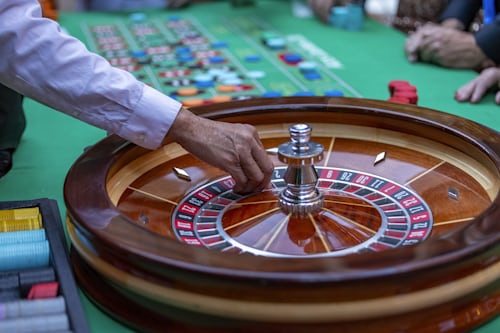
The impact of gambling addiction extends beyond the individual, often affecting family members, friends, and communities. Relationships can suffer as trust erodes and financial pressures mount. Many gamblers may engage in deceptive behaviors to hide their gambling habits, leading to further emotional isolation. Understanding these dynamics is crucial for anyone involved in gambling, whether they are players or those close to them.
Moreover, gambling addiction can manifest alongside other mental health issues, such as anxiety and depression. This co-occurrence complicates the treatment process and highlights the need for integrated care approaches. Players must be aware of their mental health and be proactive in seeking help if they find themselves trapped in this cycle.
The Role of Cognitive Distortions
Cognitive distortions are irrational thought patterns that can influence a gambler’s behavior and decision-making. These distortions often lead individuals to believe they have more control over gambling outcomes than they actually do. For instance, many players fall victim to the “gambler’s fallacy,” believing that past losses will influence future results, which can perpetuate reckless gambling behavior.
Additionally, players may exhibit an overconfidence bias, leading them to underestimate the risks involved and overestimate their chances of winning. This type of thinking can create a false sense of security, making it harder for individuals to recognize when they are crossing the line from casual gambling to harmful behaviors. Awareness of these cognitive distortions can empower players to adopt a more rational approach to their gambling activities.
Education about cognitive distortions is essential for responsible gambling. Players who understand these psychological traps are better equipped to make informed decisions. They can challenge these distorted beliefs and avoid the pitfalls associated with them, ultimately leading to a healthier gambling experience.
The Emotional Rollercoaster of Gambling
The emotional experience of gambling can be intense and multifaceted. Players often experience a rush of excitement and euphoria when they win, which can be addictive. This emotional high is frequently followed by feelings of disappointment, shame, or despair when losses occur. Such dramatic swings can create a psychological dependency on gambling as players chase that euphoric state.
Moreover, the anticipation before a game or bet can heighten emotional responses, making the experience even more exhilarating. This anticipation can lead to a sort of emotional gambling; players might find themselves gambling not just for monetary gains but for the emotional highs that accompany wins and the thrill of the game itself. This emotional reliance can complicate a player’s ability to gamble responsibly.
Understanding the emotional aspect of gambling is vital for recognizing when it has become a problem. Players need to monitor their feelings and behaviors closely to avoid getting caught in an emotional cycle that encourages continuous gambling despite adverse outcomes. Awareness can lead to healthier habits and a more balanced approach to gaming.
Strategies for Responsible Gambling
Engaging in responsible gambling is essential for maintaining a healthy relationship with gambling activities. One of the most effective strategies is setting limits on time and money spent gambling. By establishing clear boundaries beforehand, players can enjoy the thrill of gambling while minimizing the risk of addiction or financial distress.
Additionally, seeking social support can be an effective way to combat the psychological effects of gambling. Players should consider discussing their gambling habits with friends or family members who can provide a different perspective. Joining support groups or professional counseling can also be beneficial for those struggling with gambling addiction.
Practicing mindfulness can help players remain aware of their thoughts and feelings related to gambling. This practice encourages self-reflection and can assist in identifying harmful patterns or cognitive distortions. By incorporating mindfulness techniques, players can cultivate a more conscious and responsible approach to gambling.
Promoting Responsible Gambling Resources
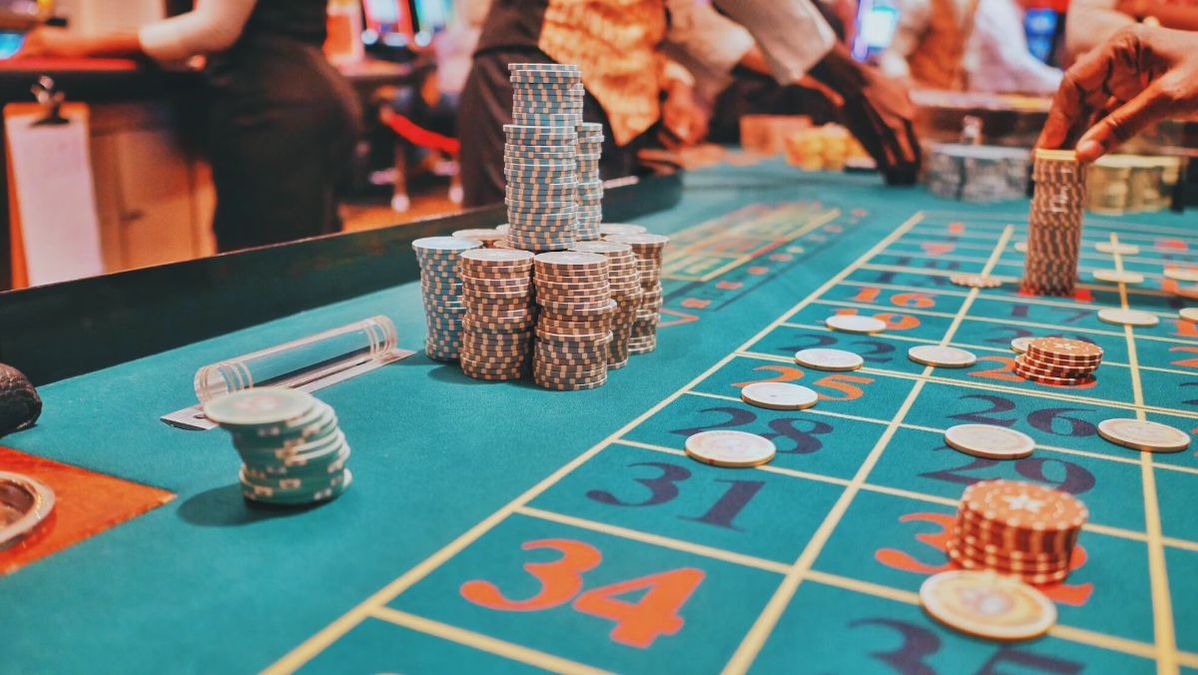
Understanding the psychological effects of gambling is crucial for every player, and it is equally important to access resources that promote responsible gaming. Websites dedicated to gambling education and support can provide valuable information on how to gamble responsibly and recognize the signs of addiction. These platforms often offer tools such as self-assessment quizzes and hotlines for immediate help.
Moreover, many gaming platforms are beginning to prioritize responsible gambling by implementing features that allow users to set limits on deposits, wagers, and playtime. These features help players maintain control over their gambling habits and encourage a more balanced approach. Players should familiarize themselves with the available options to promote their well-being.
Ultimately, understanding the psychological aspects of gambling equips players with the knowledge to engage in their activities responsibly. By using the resources available and implementing effective strategies, players can mitigate the risks associated with gambling and enjoy it as a form of entertainment rather than a source of distress.
