
Understanding the basics A beginner's guide to navigating the world of gambling
What is Gambling?
Gambling is defined as wagering money or something of value on an event with an uncertain outcome, primarily aimed at winning additional money or material goods. This activity encompasses a wide variety of games, including traditional casino games like blackjack and poker, as well as sports betting and newer online options. The thrill of risking money often comes from the excitement of potentially winning big, but it’s crucial to understand the inherent risks involved. Many beginners find that exploring options such as pin up casino aviator can provide valuable insights into different gaming strategies.
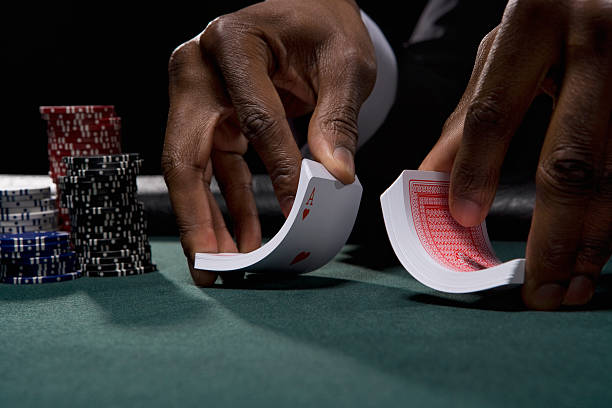
The origins of gambling can be traced back to ancient civilizations, where various forms of betting were used for entertainment and decision-making. Today, gambling has evolved into a global industry, with millions participating in various forms of gaming. Whether through land-based casinos or online platforms, gambling remains a popular pastime, attracting diverse players of all ages and backgrounds.
While many engage in gambling for fun and entertainment, it is essential to recognize the potential for addiction. Understanding your limits and the difference between responsible gambling and compulsive behaviors is vital for a healthy gaming experience. Awareness of these risks can help beginners navigate this exciting yet perilous world more safely.
Types of Gambling
Gambling can be categorized into several types, each offering a unique experience. The most common forms include casino games, sports betting, lotteries, and online gambling. Casino games can range from table games like roulette and poker to slot machines, which are often more straightforward and require less skill. Each game has its own set of rules, odds, and strategies, making it crucial for beginners to familiarize themselves with how these games work before diving in.
Sports betting involves wagering on the outcome of sporting events, from football games to horse races. This type of gambling requires a good understanding of the sport involved, as well as the ability to analyze statistics and trends. For beginners, this can be both exciting and intimidating, but starting with smaller wagers can help ease the learning curve. Lotteries, on the other hand, offer a simple entry point, as they typically require little more than purchasing a ticket for a chance to win large jackpots.
With the rise of technology, online gambling has surged in popularity, providing players with access to a vast array of games from the comfort of their homes. Numerous online platforms cater to various preferences, offering everything from traditional casino games to unique betting options. For beginners, finding a reliable and licensed online casino is crucial to ensure a safe and fair gambling experience.
Understanding Odds and Payouts
Odds play a vital role in gambling, as they determine the probability of a specific outcome occurring. Understanding how odds work is essential for making informed betting decisions. In casino games, odds can vary significantly depending on the game and its rules. For example, in a game of poker, the odds of being dealt a certain hand can influence your strategy and betting behavior. Familiarizing yourself with these odds can enhance your chances of success and help you manage your bankroll more effectively.
Payouts are the amount of money awarded to a player when they win a bet or achieve a winning hand. Each game has its payout structure, which is usually influenced by the odds. For instance, a slot machine may offer a payout ratio of 95%, meaning that for every dollar wagered, players can expect to receive 95 cents back on average over time. Understanding these payouts allows beginners to make smarter bets and avoid games with unfavorable odds.
Moreover, players should always pay attention to the house edge, which is the casino’s built-in advantage over players in games. Games with a lower house edge tend to provide better odds for players, making them more attractive choices for beginners. By grasping the concepts of odds, payouts, and house edges, newcomers can approach gambling with a more strategic mindset.
Strategies for Responsible Gambling
Responsible gambling is essential for a positive experience, particularly for beginners. One of the most effective strategies is setting a budget before you start gambling and sticking to it. Decide how much money you can afford to lose and ensure that you don’t exceed this limit. It’s easy to get caught up in the excitement of winning or losing, but maintaining discipline can help prevent significant financial setbacks.
Another critical aspect of responsible gambling is understanding the importance of time management. Set a time limit for your gambling sessions and take regular breaks. This not only helps to maintain your focus but also allows you to step back and evaluate your decisions. Engaging in other activities outside of gambling can also promote a healthier lifestyle and prevent gambling from becoming an overwhelming part of your life.
Lastly, be aware of the signs of problem gambling, which can include chasing losses, feeling anxious about gambling, or neglecting other responsibilities. If you find yourself exhibiting these behaviors, seeking help from professional organizations or support groups can provide the necessary resources and guidance. Remember, gambling should be an enjoyable pastime, and recognizing when it’s time to step back is crucial.

Resources for Beginners
For those new to gambling, numerous resources can help you get started and enhance your experience. Online platforms often provide comprehensive guides that cover the rules of various games, tips for beginners, and strategies for responsible gambling. Familiarizing yourself with these materials can be incredibly beneficial, as they offer insights into the games you wish to play and how to approach them.
Additionally, many casinos offer promotions, tutorials, and free play options, allowing beginners to practice without risking real money. This can be an excellent way to build confidence and understanding of the games before wagering larger amounts. Many online gambling sites also provide simulations or free versions of their games, enabling newcomers to learn at their own pace.
Moreover, consider joining online forums or communities where you can interact with other players. Engaging in discussions can help you gain valuable insights and tips from experienced gamblers. Remember that becoming skilled at gambling takes time and practice, so be patient with yourself as you explore this dynamic world.
